How Fire Watch Guards Act as Your First Line of Defense in Preventing Workplace Fires
| Team info | |
|---|---|
| Description | Workplace fires often start under ordinary job conditions that carry more risk than they appear to at first glance. Welding, cutting, grinding, maintenance work, construction activity, and high-rise repairs can all create hazards that need close attention, especially when a fire alarm is offline or a sprinkler system is temporarily impaired. In these situations, trained fire watch personnel help monitor active work areas, identify changing risks, document conditions, and support safer operations while businesses continue working through repairs, outages, or other high-risk tasks. For many contractors, property managers, and facility operators, urgent local needs lead them to searches such as Fire Watch Guards Near Me when reliable coverage has to be arranged quickly. What they need is not just an extra presence on site, but trained support that can help maintain compliance, strengthen hot work safety, and respond appropriately if conditions begin to shift. This article explains how fire watch personnel serve as an important first layer of protection in preventing workplace fires and supporting day-to-day safety. 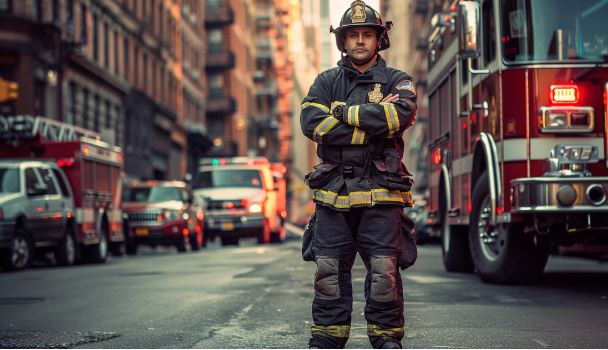 What Are Fire Watch Guards? Fire watch guards are trained professionals deployed to monitor and control fire risks on worksites, particularly when high-risk activities like welding, cutting, or grinding are taking place. Their job is to proactively monitor for any signs of fire or fire hazards, take immediate action when necessary, and ensure that workplace safety regulations are followed to prevent incidents from escalating. Unlike traditional fire prevention systems, fire watch guards provide continuous, human oversight of environments where risks may not be immediately detected by automatic systems. They also respond quickly to incidents, often before fire alarms or sprinkler systems can activate. Real-World Scenario: The Impact of Fire Watch Guards on a Construction Site Imagine a construction site where welders are working on installing steel beams. Sparks fly as welding takes place, and the area is filled with various flammable materials like wood, plastic, and foam insulation. These materials are highly susceptible to fire if exposed to sparks or heat. Without fire watch guards, even a small spark could ignite nearby materials, quickly leading to a fire that may spread through the site. The resulting destruction could lead to months of downtime, significant property damage, and, more importantly, the potential for injuries or loss of life. However, with fire watch services in place, the risk is significantly reduced. A fire watch guard is stationed near the hot work area, monitoring the environment and being ready to extinguish any sparks before they catch fire. The guard would also monitor the surroundings for any signs of smoke or unusual heat and act immediately if a fire breaks out, alerting emergency responders and ensuring the workers’ safety. This example demonstrates the crucial role that fire watch guards play in preventing disasters before they happen. Fire Watch Requirements: When Are Fire Watch Guards Needed? Fire watch services are required in specific high-risk situations where the potential for a fire is elevated, especially in industries and activities that generate heat, sparks, or flames. Below are the most common scenarios where fire watch guards must be employed: 1. Hot Work Activities Hot work, which includes welding, grinding, cutting, and soldering, is one of the most common fire risks in construction, manufacturing, and industrial settings. These activities generate heat and sparks that can easily ignite flammable materials nearby. OSHA regulations require that fire watch guards be stationed whenever hot work is performed in areas with combustible materials. In these situations, fire watch guards are responsible for monitoring the area, extinguishing small fires, and ensuring that fire hazards are mitigated throughout the duration of the activity. 2. Disabled Fire Protection Systems If fire detection or suppression systems, such as sprinklers or alarms, are temporarily disabled for maintenance or repair, a fire watch guard is required to monitor the area in the interim. These guards ensure that the area remains fire-safe and that emergency procedures are followed in the absence of automatic systems. 3. High-Risk Environments Certain industries, such as oil refineries, chemical plants, and metalworking facilities, are inherently more prone to fire risks. The presence of hazardous materials and volatile chemicals heightens the need for constant monitoring. Fire watch guards are required in these environments to ensure that potential fire risks are detected and addressed before they lead to catastrophic damage. The Critical Responsibilities of Fire Watch Guards Fire watch guards are essential for ensuring that fire hazards are actively managed, but their role goes beyond just observing. Here’s a breakdown of the critical responsibilities that fire watch guards handle: 1. Continuous Surveillance and Monitoring The primary duty of fire watch guards is to keep a constant eye on areas where hot work or other activities create fire risks. Guards are responsible for inspecting the worksite, equipment, and surrounding areas for potential fire hazards. This includes ensuring that combustible materials are kept at a safe distance from hot work areas, inspecting fire extinguishers and other fire safety equipment, and making sure workers follow proper safety protocols. 2. Immediate Fire Response If a fire occurs, fire watch guards must act immediately to minimize damage. They are trained to use fire extinguishers and other firefighting tools to handle small fires before they can spread. If the fire is beyond their control, the guard’s job is to alert emergency services and guide workers to safety, ensuring that evacuation procedures are followed. 3. Enforcing Fire Safety Protocols Fire watch guards ensure that all necessary safety measures are followed during hot work or in high-risk areas. This includes checking that workers are using proper protective gear, ensuring fire exits are accessible, and confirming that fire extinguishers and other emergency equipment are in place and functional. They also enforce site-specific fire safety rules, such as ensuring that workers take breaks away from fire-prone areas or maintaining safe distances between hot work and flammable materials. 4. Reporting and Documentation An essential part of the fire watch guard's job is keeping a detailed log of their observations and actions. They document areas inspected, fire hazards observed, and any incidents that occurred during their shift. This documentation serves as a record for compliance audits, insurance claims, and post-incident investigations, making it a vital part of fire safety compliance. Fire Watch Guards and Compliance: Meeting Legal and Regulatory Requirements Fire watch guards are not just a safety measure—they are often a legal requirement, especially in high-risk industries. Compliance with fire safety regulations is critical for businesses, not just to ensure the safety of their workers, but also to avoid fines, legal liabilities, and insurance issues. OSHA Regulations The Occupational Safety and Health Administration (OSHA) mandates the need for fire watch services during certain high-risk activities, such as hot work. OSHA guidelines require that employers provide fire watch guards when hot work is conducted in areas with combustible materials. The guards must be trained in fire safety procedures and equipped with fire extinguishers to deal with potential fires promptly. NFPA Standards The National Fire Protection Association (NFPA) provides standards that govern fire safety in industries that involve hot work, such as construction, metalworking, and oil & gas. NFPA 51B outlines specific requirements for fire watch during hot work activities, specifying the roles and responsibilities of fire watch guards, and the necessary precautions to be taken. Local Fire Marshal Regulations Local fire marshal regulations may also impose requirements for fire watch services, especially in construction or industrial environments where high-risk activities take place. Fire marshal inspections often verify that proper fire watch measures are in place to ensure compliance with local fire safety laws. What Happens if Fire Watch Guards Are Not on Site? Failing to have fire watch guards in place can lead to severe consequences for both the workers and the business. The absence of fire watch services significantly increases the risk of fire-related incidents that could result in: - Property Damage: Fires left unchecked can quickly spread, destroying valuable equipment, infrastructure, and inventory. - Legal Penalties: Non-compliance with OSHA, NFPA, and local fire marshal regulations can result in fines, legal penalties, and even forced business shutdowns. - Insurance Complications: If fire watch services are not in place, insurance companies may refuse to cover fire-related damages, leaving businesses financially exposed. - Loss of Life: Most importantly, fires can pose serious risks to employees’ lives. The lack of fire watch guards to monitor risks or respond to fires quickly can result in fatalities or serious injuries. How to Choose the Right Fire Watch Guard Provider When selecting a provider for fire watch services, it’s essential to choose a reputable company with experience in managing fire risks in your specific industry. Here are some factors to consider: 1) Experience and Specialization: Look for a provider with experience in your industry—whether it's construction, manufacturing, or another high-risk environment. Different industries have different fire risks, and a specialized provider will have the necessary expertise. 2) Certification and Training: Ensure that the provider offers certified fire watch guards who have undergone comprehensive training in fire safety, emergency response, and hazard detection. 3) 24/7 Availability: Fire risks don’t follow a 9-to-5 schedule, so make sure your provider offers round-the-clock fire watch services. This is particularly important for businesses operating outside of regular hours or in multiple shifts. 4) Reputation and Reviews: Research the provider’s reputation by reading customer reviews and speaking to other businesses who have used their services. A reliable provider will have a solid track record of delivering high-quality fire watch services. To find qualified fire watch guards near you, search for Fire Watch Guards Near Me to connect with trusted providers who can meet your fire safety needs. Conclusion: Fire Watch Guards as Your First Line of Defense Fire watch guards are essential for preventing fires and protecting your workplace. Their role as the first line of defense in monitoring and responding to fire risks cannot be overstated. By ensuring compliance with fire safety regulations and proactively preventing fires before they start, fire watch guards play a critical role in keeping your worksite safe and operational. Investing in fire watch services not only protects workers and property but also ensures that your business stays compliant with the necessary regulations, avoiding legal penalties and insurance issues. For any business where fire risks are present, fire watch guards are an indispensable part of your fire safety strategy. |
| Created | 23 Apr 2026 |
| Total credit | 0 |
| Recent average credit | 0 |
| 14e credit | 0 total, 0.00 average (0 tasks) |
| 15e_small credit | 0 total, 0.00 average (0 tasks) |
| 15e credit | 0 total, 0.00 average (0 tasks) |
| 16e_small credit | 0 total, 0.00 average (0 tasks) |
| 16e credit | 0 total, 0.00 average (0 tasks) |
| Cross-project stats | SETIBZH BOINCstats.com Free-DC |
| Country | United States |
| Type | Local/regional |
| Members | |
| Founder | Kelly Wilson |
| New members in last day | 0 |
| Total members | 0 (view) |
| Active members | 0 (view) |
| Members with credit | 0 (view) |
Generated 20 Jun 2026, 0:59:53 UTC